

Introduction
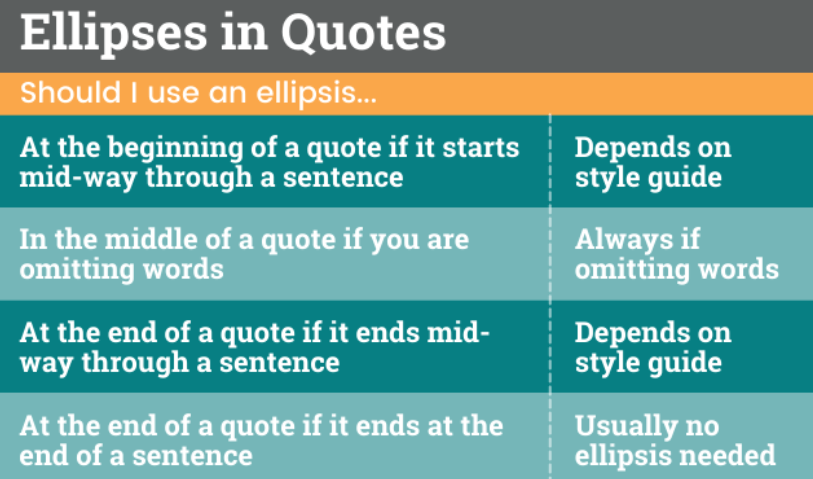
Ellipses, represented by three spaced periods (“…”), are commonly used in legal writing and transcripts to indicate omitted text. While ellipses can be useful for brevity and clarity, they must be applied carefully in legal contexts, particularly in court filings and transcripts, to ensure that their use does not misrepresent the original meaning of the cited text. Improper use of ellipses can lead to accusations of misleading citation practices, mischaracterization of legal precedent, or even judicial reprimands.
In legal discourse, judges, attorneys, and clerks rely heavily on the accuracy and integrity of quoted material. Any omission, whether intentional or not, can impact the interpretation of a legal argument or ruling. This article examines the appropriate use of ellipses in legal transcripts and documents, explores potential pitfalls, and provides guidelines to ensure compliance with ethical and professional standards.
The Role of Ellipses in Legal Writing
Ellipses are primarily used in legal writing for two purposes:
- Conciseness – Legal documents often cite lengthy judicial opinions, statutes, or testimonies. Ellipses allow an attorney or judge to focus on the most relevant portions of the text without unnecessary verbiage.
- Clarification – Sometimes, portions of text may be omitted to prevent confusion or redundancy, provided that the omission does not alter the meaning of the quoted material.
While ellipses can be a useful tool for streamlining text, they should never be used in a way that changes the fundamental intent of the original language. Courts have been known to scrutinize the use of ellipses, especially when their application appears to distort the meaning of legal authorities.
Judicial Concerns Regarding Ellipses
Judges are particularly sensitive to the use of ellipses in legal briefs and citations. As one judge pointed out in response to a defense brief:
“The one point I would say, as to defense, you have ELLIPSES in your citation, which suggests that you’re leaving out portions of what the court ruled. And at least the case you’re relying upon. And also I certainly wouldn’t be giving a jury — jury instructions that — that are referring to citations that have ELLIPSES or have quotes in them, unless you’re actually presenting the text of a statute. So I think that’s one of the problems, up front, that needs to be modified.”

This statement highlights the primary concern with using ellipses: the potential for misleading the court, opposing counsel, or even a jury. When ellipses are used in case citations, they may give the appearance that key portions of a ruling are being withheld, whether intentionally or not. If an attorney selectively removes portions of a case’s holding, they may be accused of omitting language unfavorable to their argument, thereby misleading the court.
Appropriate Use of Ellipses in Legal Transcripts
Legal transcripts, which include court proceedings, depositions, and witness testimonies, should maintain accuracy and fidelity to spoken words. The use of ellipses in transcripts is generally discouraged unless necessary for clarity or brevity. Below are situations where ellipses may be appropriately used:
- Omitting Redundant or Irrelevant Speech – In transcriptions of oral testimony, speakers often use fillers (e.g., “uh,” “you know,” “like”) or repeat themselves. In some cases, ellipses can be used to omit redundant content to improve readability while preserving the intent of the statement.
- Removing Superfluous Portions of a Quote – When citing previous testimony in legal arguments, attorneys may use ellipses to remove tangential statements that do not alter the meaning of the testimony.
- Streamlining Complex Citations – In legal briefs, attorneys sometimes quote long statutory provisions or judicial opinions. If the omitted text does not change the legal effect of the quoted passage, ellipses may be used for conciseness.
When NOT to Use Ellipses in Legal Transcripts
There are also several scenarios where the use of ellipses is inappropriate or even unethical:
- Altering the Meaning of a Quotation – If an attorney removes text that significantly changes the legal interpretation of a precedent, it could be considered deceptive and potentially subject to sanctions.
- Misleading the Court – Courts rely on the full context of cited cases and statutes. If an attorney uses ellipses to remove unfavorable language, they risk misleading the court and damaging their credibility.
- In Jury Instructions – As the judge in the earlier quote indicated, jury instructions should not contain citations with ellipses, unless they are directly quoting a statute. Jurors must be given full and accurate legal language to ensure they reach a fair and informed verdict.
- In Official Court Transcripts – Court transcripts are intended to be a verbatim record of proceedings. Unless specifically noted, omitting portions of dialogue with ellipses can compromise the accuracy and integrity of the record.

Best Practices for Using Ellipses in Legal Documents
Given the potential risks associated with ellipses, legal professionals should adhere to the following best practices:
- Always Provide Full Context – Before using an ellipsis, consider whether the omitted portion is necessary for a fair and accurate understanding of the quoted material.
- Avoid Omissions That Alter Meaning – Ensure that removing text does not change the legal interpretation of the source.
- Use Parentheticals for Clarification – If text is omitted for brevity, use explanatory parentheticals (e.g., “(emphasis added)”) to indicate any modifications.
- Check Court Rules and Citation Guidelines – Different courts and jurisdictions may have specific rules regarding citation practices. Always verify citation rules in the applicable jurisdiction.
- Err on the Side of Full Disclosure – When in doubt, include more rather than less of the cited text to avoid the appearance of impropriety.
Conclusion
The use of ellipses in legal transcripts and court documents requires careful consideration. While ellipses can aid in conciseness, they must never be used in a way that alters meaning, misrepresents legal precedent, or misleads the court. Judges are particularly wary of ellipses in case citations and jury instructions, emphasizing the need for transparency in legal writing.
Attorneys and legal professionals must exercise caution and ethical diligence when employing ellipses to ensure they maintain the integrity of their arguments and uphold the standards of the legal profession. By following best practices and ensuring full context in quotations, legal practitioners can avoid potential pitfalls and maintain credibility before the court.
 STENOIMPERIUM