
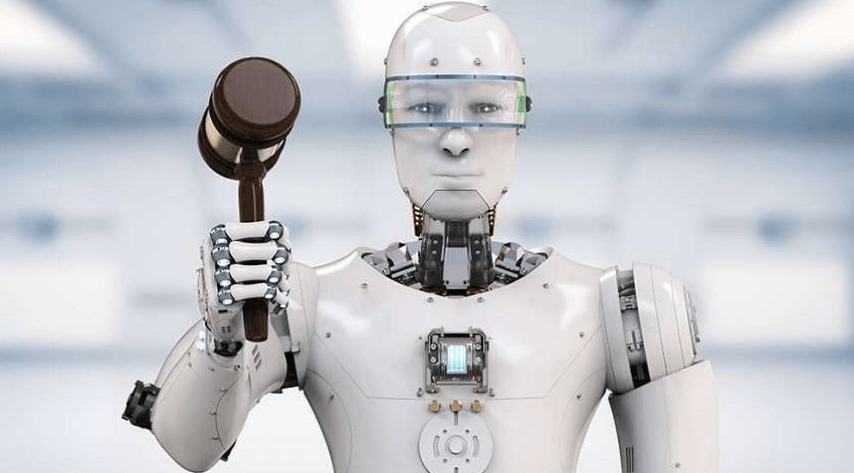
As virtual depositions become more commonplace, the use of AI notetakers—software designed to record, transcribe, and summarize legal proceedings—has grown in popularity. The convenience and efficiency of these tools are undeniable, especially in environments where time is of the essence. However, the risks associated with relying on AI in such a sensitive context, particularly in the legal world, cannot be ignored. As AI technology evolves, it brings with it new challenges that could undermine the integrity of legal processes, compromise confidentiality, and expose sensitive information to unforeseen risks.
What Exactly Are AI Notetakers?
AI-powered notetakers are sophisticated tools designed to help with the documentation of meetings, interviews, and depositions. These programs not only record audio and video but also generate detailed transcriptions of proceedings, often summarizing key points and creating actionable follow-up items. This automation can save considerable time for legal professionals, but it comes with significant drawbacks, particularly in legal settings where confidentiality is paramount.
The Hidden Dangers of Using AI in Depositions
While AI can provide significant efficiencies, its application in depositions opens up several areas of concern. These range from legal compliance issues to security risks and potential violations of privacy.
1. Consent and Disclosure Risks
One of the most immediate concerns with AI notetakers is the issue of consent. In most jurisdictions, laws require that all parties involved in a conversation be made aware that the conversation is being recorded, especially in the context of legal proceedings. While many video conferencing platforms have automatic consent features, AI notetakers may bypass these safeguards, leaving participants unaware that their words and actions are being recorded and stored. This issue is complicated further when remote participants are involved, each of whom may be subject to different consent regulations depending on their location. A failure to obtain consent could have serious legal implications, including noncompliance with state and federal laws governing privacy.
2. Privacy and Confidentiality Concerns
In legal proceedings, privacy is of the utmost importance. Whether it’s sensitive medical records, financial details, or proprietary business information, depositions often involve confidential data that must be protected. Recording this data through AI notetakers could expose it to unwanted scrutiny. Some AI tools can even capture shared screen content, inadvertently making confidential exhibits vulnerable to unauthorized access. Beyond mere transcription, the very act of recording an individual’s voice or image could potentially compromise privacy, especially in jurisdictions with strict privacy regulations. The sensitive nature of deposition content demands strict control over who has access to this information—something AI systems may not be capable of providing.
3. Security Risks
Security is another critical consideration when using AI tools. When sensitive information is captured and stored, it’s essential to ensure that the data is encrypted and protected against potential breaches. Many AI notetakers rely on cloud storage, which, while convenient, can create significant vulnerabilities if the cloud provider does not have robust security protocols in place. Data breaches have become all too common, and the potential for confidential deposition records to be exposed is a real concern. Furthermore, if sensitive information were to leak, the consequences could include legal ramifications, loss of client trust, and damage to reputations. It’s essential to know exactly how AI vendors store and protect your data before deciding to use their services.
4. Unauthorized Use of Your Data
Another issue to consider is the potential misuse of your data. AI notetakers often learn from the information they process, which means that confidential files and conversations could be used to further train the AI system. Depending on the terms of service, AI vendors may retain access to your data, potentially using it in ways you hadn’t intended. The idea of an external entity—particularly a third-party AI company—learning from your legal data might not sit well with clients and legal professionals who prioritize confidentiality. Before using an AI notetaker, it’s crucial to carefully review the vendor’s privacy policies to understand how your data will be handled.
5. Attorney-Client Privilege
One of the most sacred tenets in legal practice is attorney-client privilege, which ensures that communications between a client and their attorney remain confidential. However, this privilege can be compromised if third parties, such as AI notetakers, are involved in the recording or processing of these communications. In the event that an AI tool inadvertently discloses confidential information, it could jeopardize the attorney-client relationship and waive the privilege. Even though AI systems may be designed to ensure confidentiality, there’s always the risk of an unintended breach—something that could have significant consequences for a client’s case.
6. The Issue of Bias and Inaccuracy
Despite advances in AI, these systems are not flawless. Variations in dialect, accent, speech rate, and even the presence of background noise can all affect the accuracy of AI-generated transcripts. In legal depositions, where every word counts, even minor errors can have significant repercussions. AI transcription systems often struggle with distinguishing between speakers, particularly in cases involving multiple participants with similar voices or overlapping speech. These inaccuracies can create confusion, distort the record, and ultimately undermine the integrity of the legal process. Relying on an AI system that can’t consistently provide accurate results is a dangerous risk in any legal proceeding.
Real-World Scenarios: When AI Goes Wrong
Several real-life examples illustrate the unintended consequences of using AI in sensitive settings. In one case, a virtual investor meeting was followed by the release of a transcript not only of the meeting but also of private conversations that occurred after the meeting had ended. This inadvertent disclosure led the participant to pull out of a deal. In another instance, a Los Angeles software designer received a transcript that included a conversation about him, even though one of the participants had muted herself. The mute function on the virtual meeting platform didn’t stop the AI notetaker from recording audio, which led to a serious privacy breach.
These scenarios highlight the potential dangers of relying on AI to capture sensitive conversations. Whether in a deposition or business meeting, the consequences of an AI system malfunctioning or misinterpreting off-the-record discussions could be severe.
Why Choose a Certified Court Reporter?
Given the significant risks associated with AI notetakers, it’s clear that a human professional remains the best option for ensuring the integrity of a deposition record. A certified court reporter is bound by strict professional and ethical standards. They understand the importance of maintaining confidentiality, and their work is protected by licensing and legal regulations that hold them accountable for the accuracy of the transcript.
Court reporters are skilled in managing complex legal proceedings, and unlike AI systems, they are able to discern when information should remain off the record. They are also trained to ensure that sensitive data is kept secure, providing an added layer of protection that AI tools cannot offer. When you choose a certified court reporter, you’re ensuring that the deposition record remains accurate, confidential, and legally compliant.
In today’s world, where data security and privacy are paramount, opting for a professional human notetaker is the most reliable way to safeguard your client’s interests and protect the integrity of your legal proceedings. Though AI tools may offer convenience, they come with risks that cannot be ignored. When the stakes are high, it’s best to rely on the expertise and accountability of a certified court reporter.
 STENOIMPERIUM