
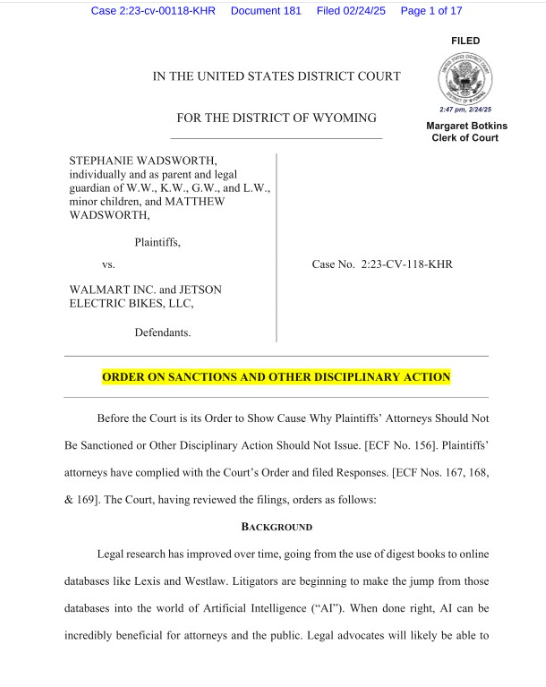
The legal industry is witnessing an increasing reliance on digital tools, artificial intelligence, and automation. However, with this technological shift comes the challenge of maintaining compliance with state laws and ethical responsibilities. A recent example highlighting the dangers of misusing AI in legal filings is the Morgan & Morgan case, where an attorney was sanctioned for citing fictitious cases generated by AI. This raises a significant question: when will attorneys be sanctioned, fined, or otherwise punished for using digital court reporters in states that mandate the use of licensed court reporters?
The Legal Requirements for Court Reporters in Certain States
Many states have strict laws requiring that only licensed court reporters be used in legal proceedings. These laws are in place to ensure accuracy, reliability, and adherence to proper legal procedures. Licensed court reporters undergo rigorous training and certification to ensure that they can accurately transcribe and record court proceedings. The shift to digital court reporting, often involving AI-generated transcripts and automated systems, presents both opportunities and risks.
Attorneys who choose to use digital court reporters in states where a licensed court reporter is required are at risk of facing severe legal and professional consequences. Courts, bar associations, and regulatory bodies will likely treat such violations as ethical breaches, leading to potential sanctions, fines, and even disbarment.
Potential Sanctions and Fines Attorneys May Face
Unauthorized Practice of Law or Professional Misconduct
Attorneys who bypass state laws by using unlicensed digital court reporters could be deemed to have engaged in professional misconduct. The unauthorized practice of law, in some jurisdictions, extends beyond representation in court and can include improper procedures in legal proceedings. Violating these requirements could result in disciplinary action from the state bar.
Fines and Financial Penalties
Attorneys found guilty of violating court reporter mandates may face financial penalties, similar to the fines seen in the Morgan & Morgan case. Courts could impose fines for failing to adhere to legal procedures, which could range from nominal fees to substantial penalties designed to deter future violations. Additionally, attorneys could be held financially liable for any inaccuracies in the transcript that lead to case complications.
Revocation of Court Privileges or Licenses
Just as the attorney in the Morgan & Morgan case had their pro hac vice (PHV) admission revoked, attorneys violating court reporter laws could face similar penalties. Courts may revoke an attorney’s ability to practice in a jurisdiction, leading to long-term reputational damage and financial loss. If the violation is deemed egregious, an attorney could also face disbarment or suspension from practicing law altogether.
Reputational Damage and Client Trust Issues
Beyond legal sanctions, attorneys who fail to comply with court reporting regulations may face irreversible reputational damage. Clients expect their legal representatives to act within the bounds of the law and provide competent representation. If an attorney is found to be cutting corners by using unapproved digital court reporters, their credibility may suffer, leading to a loss of clients and potential malpractice claims.
Lessons from the Morgan & Morgan Case
The Morgan & Morgan case highlights two critical lessons that apply not only to AI-generated legal work but also to the broader issue of legal compliance:
- Verification is Essential
- AI tools and digital systems should not be blindly trusted. Attorneys must verify the accuracy of all information before submitting it to the court. This applies equally to legal research and court reporting. If a state requires licensed court reporters, attorneys must ensure compliance, rather than assuming digital alternatives meet legal standards.
- Responsibility is Non-Negotiable
- Attorneys are responsible for filings submitted under their name, even if they were not directly involved in drafting them. This principle extends to court reporting. If an attorney allows an unlicensed digital court reporter to be used in a jurisdiction where licensing is required, they are ultimately accountable for that decision and its consequences.
The Future of Sanctions for Non-Compliance
As digital court reporting becomes more common, courts and regulatory bodies are likely to impose stricter enforcement measures. Attorneys should anticipate:
- Increased Scrutiny from State Bars: Bar associations may introduce new guidelines explicitly prohibiting the use of digital court reporters where licensing is mandated. Violators could face immediate disciplinary action.
- Heightened Court Oversight: Judges may begin asking attorneys to confirm compliance with court reporting laws before proceedings commence. Those found in violation may face immediate penalties.
- Stronger Client Protections: Clients who suffer due to inaccurate or improper transcripts from digital court reporters may have stronger legal grounds to file malpractice claims against attorneys who failed to comply with state regulations.
Mitigating the Risks
To avoid sanctions and penalties, attorneys must take proactive steps:
- Stay Informed on State Laws: Before engaging in any legal proceedings, attorneys should confirm whether their jurisdiction requires licensed court reporters and ensure compliance.
- Conduct Due Diligence on Digital Tools: If using digital court reporting services, attorneys must verify whether these tools are legally permissible in their jurisdiction.
- Review All Filings and Transcripts: Just as attorneys must review AI-generated filings, they should also review digital transcripts to ensure accuracy and compliance.
- Seek Clarification When in Doubt: If there is any uncertainty about whether a digital court reporter is legally allowed, attorneys should seek guidance from the court or a regulatory body before proceeding.
Conclusion
The Morgan & Morgan sanctions serve as a cautionary tale for attorneys who may be tempted to rely on digital solutions without proper oversight. Just as courts are now holding attorneys accountable for AI-generated filings, they will likely enforce strict penalties for the use of digital court reporters in states that mandate licensed professionals. Attorneys must prioritize compliance, verification, and responsibility to avoid facing fines, sanctions, and potential damage to their legal careers. The message is clear: when it comes to legal proceedings, adherence to state-mandated regulations is not optional.
 STENOIMPERIUM