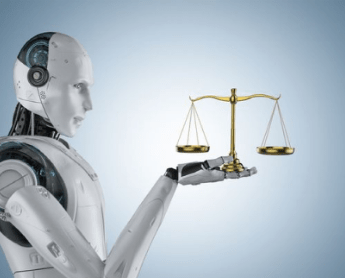
The legal system relies on stringent regulations to ensure fairness and accuracy. Unauthorized legal practice (UPL) and unregulated digital court recording present serious risks to judicial integrity, making proper licensing and oversight essential.
The unauthorized practice of law (UPL) and digital court recording share notable similarities in terms of regulation, ethical standards, and their overall impact on the legal system.
Regulation and Certification
- UPL: Practicing law is strictly regulated, requiring individuals to pass the bar exam and obtain a license to provide legal services. Anyone offering legal representation or advice without proper credentials is engaging in UPL, which is illegal and subject to penalties.
- Digital Court Recording: Similarly, court reporting often necessitates certification or licensure to ensure the accuracy and confidentiality of legal transcripts. Unauthorized individuals providing transcription services risk legal consequences and may jeopardize the integrity of sensitive legal information.
Ethical and Professional Standards
- UPL: Attorneys adhere to stringent ethical codes, including rules on confidentiality, competence, and conflicts of interest. Those who practice law without proper training or oversight lack these ethical obligations, potentially leading to malpractice and harm.
- Digital Court Recording: Untrained or uncertified digital recorders may produce inaccurate transcripts, which can lead to legal misunderstandings and compromise judicial proceedings.
Consequences for the Legal System
- UPL: Unauthorized legal practitioners can weaken the justice system by providing misleading or inadequate legal counsel, affecting case outcomes, and diminishing public confidence in legal institutions.
- Digital Court Recording: Incorrect or tampered transcripts from unqualified digital recorders can disrupt legal processes, affecting appeals, legal precedents, and the overall fairness of court proceedings. Errors in documentation may result in wrongful convictions, retrials, or the loss of the right to appeal.
Real-World Cases of UPL and AI in Legal Services
These concerns are not just theoretical—they are playing out in courtrooms and legal tech spaces today.
In a recent Superior Court session, I observed a judge issue a stern warning to a litigant about the serious legal consequences of representing himself in a case involving a shared trust with his wife. The judge made it clear that such actions could amount to the unauthorized practice of law, which is a criminal offense. Here is what the judge said:
THE COURT: “All right. So I haven’t researched the issue, but I will say that sounds like what the law probably is, that you would be then, you know — well, I don’t know the answer. But it’s a serious issue that you may be practicing law without a license and that is a crime. Do you understand that you may potentially be committing a crime in open court? You understand that?”
MR. LEISNER: “Yes, I do, your Honor.”
THE COURT: “All right. Did you seek advice of counsel that you are potentially about to commit a crime in open court right now? I suggest you talk with your attorney before proceeding on a very potentially perilous path.”
Another real-world instance of unauthorized legal practice involving technology arose in a case against the AI-driven legal platform Upsolve. The platform automates the preparation of bankruptcy forms based on user-provided data and was found to have engaged in the unauthorized practice of law. A pro-per petitioner used Upsolve to draft a voluntary Chapter 7 filing, which led the court to question how the document was prepared “without counsel.” The court issued an Order to Show Cause to Upsolve, arguing that its system effectively provided legal advice by filtering options based on users’ characteristics. This case underscores the growing tension between technological advancement and legal regulations, illustrating how AI-backed platforms must navigate strict legal boundaries to avoid UPL violations.
The Growing Impact of AI in Legal Practice and UPL Risks
While the Upsolve case is a significant example, it is not the only instance where AI-driven technology has raised concerns about the unauthorized practice of law. Various AI-powered legal tools, including chatbots and automated document generators, have emerged with the promise of making legal services more accessible. However, these tools often operate in a gray area where they provide guidance that could be interpreted as legal advice.
For example, AI-powered legal chatbots have been used to assist individuals in drafting contracts, responding to legal claims, and navigating court procedures. While some platforms market themselves as “self-help tools,” courts and regulatory bodies have questioned whether they cross the line into practicing law without a license. The challenge lies in defining when an AI tool is merely providing information versus when it is offering legal advice that should be given by a licensed attorney.
One major concern is that AI-generated legal recommendations may not account for the nuances of individual cases, potentially leading users to make decisions that harm their legal standing. Additionally, AI models are only as reliable as the data they are trained on, meaning they could inadvertently provide misleading or incomplete legal guidance.
As AI continues to evolve, regulators and legal professionals must determine how to balance innovation with the need to protect consumers from unauthorized or inaccurate legal assistance. The Upsolve case serves as an early warning that legal tech companies must carefully navigate compliance with UPL laws or risk legal repercussions.
The Role of Technology
- UPL: The internet has made it easier for individuals to offer unauthorized legal services, increasing the risks associated with unverified online legal advice.
- Digital Court Recording: Advances in digital transcription and remote court reporting have streamlined legal documentation but have also enabled unqualified individuals to enter the field, increasing the risk of inaccuracies.
Challenges in Enforcement
- UPL: Identifying and prosecuting UPL violators is difficult, especially with the anonymity provided by online platforms and the complexity of defining when legal guidance crosses into unauthorized practice.
- Digital Court Recording: With the rise of remote hearings and digital court reporting, ensuring that only certified professionals handle legal transcripts has become more challenging. Regulatory bodies must remain vigilant to uphold industry standards.
Both unauthorized legal practice and unregulated digital court recording pose serious risks to the justice system’s integrity, efficiency, and fairness. The necessity of professional licensing, regulatory oversight, and adaptation to evolving technology is critical in both fields. Upholding high ethical standards in law and court reporting is essential to maintaining public trust in the judiciary.
To ensure reliable court reporting services, platforms like CoverCrow, Inc. provide law firms access to a network of certified stenographers and voice writers across the United States.
As technology advances, regulators and legal professionals must remain proactive. Whether through stronger enforcement or innovative solutions like eCourt Reporters, the legal field must balance accessibility with accountability.
 STENOIMPERIUM