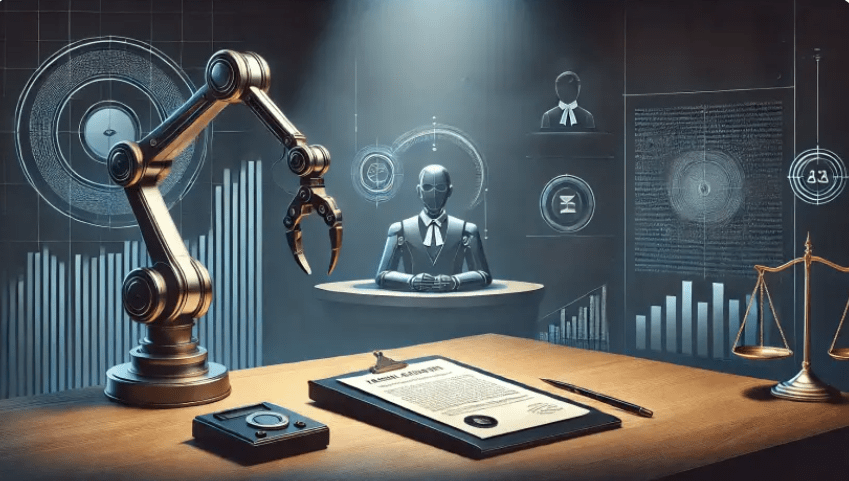
Legal proceedings require absolute precision, particularly when language barriers arise. Depositions and court hearings depend on accurate interpretation to ensure fairness and uphold the integrity of the judicial process. However, the growing reliance on AI-powered translation tools poses significant risks in legal settings. While AI has made strides in language translation, it remains unsuitable for high-stakes environments like depositions and courtrooms, where even a slight misinterpretation can have serious legal consequences.
The Critical Role of Human Interpreters in Legal Proceedings
A deposition is a sworn testimony taken before a trial, allowing attorneys to gather crucial information from witnesses. When language differences exist, human interpreters bridge the communication gap, ensuring testimonies are faithfully conveyed without distortion. Unlike AI translation tools, professional legal interpreters possess the necessary expertise to navigate complex legal terminology, cultural nuances, and the high-pressure nature of courtroom settings.
The Dangers of AI Translation in Legal Settings
1. Lack of Legal Nuance and Context Awareness
Legal terminology is highly specialized, and slight deviations in meaning can lead to misrepresentation of facts. AI tools rely on pattern recognition rather than a deep understanding of legal principles. This makes them prone to errors when interpreting nuanced terms or idiomatic expressions crucial to a case’s outcome.
2. Inability to Maintain Courtroom and Deposition Ethics
Interpreters in legal settings are required to uphold strict ethical standards, including impartiality and confidentiality. AI translation tools lack accountability and cannot ensure privacy or neutrality in sensitive legal matters. A human interpreter understands the ethical responsibilities tied to legal interpretation, while an AI tool simply processes text without regard for legal implications.
3. Failure to Accurately Interpret Tone and Intent
Legal interpretation is more than just converting words from one language to another—it requires an understanding of tone, emotion, and intent. Witness testimonies often involve subtle cues that AI cannot capture, potentially altering the perceived meaning of statements. A human interpreter considers context, adjusts for cultural differences, and ensures accurate conveyance of a speaker’s intended message.
4. Risk of Misinterpretation Leading to Legal Consequences
Inaccurate translations can lead to appeals, case dismissals, or even wrongful convictions. If an AI-generated translation distorts a testimony, the legal ramifications can be severe. The legal system depends on precise communication, and using AI in place of a qualified interpreter increases the risk of costly and irreversible errors.
5. Inadequate Handling of Specialized Legal Fields
Legal cases often involve industry-specific terminology, such as medical malpractice, intellectual property law, or financial regulations. Human interpreters with expertise in these areas ensure that specialized terms are correctly interpreted. AI lacks the ability to adapt to such complexities and may misinterpret critical legal jargon, jeopardizing the case.
6. Challenges with Real-Time Interpretation
Depositions and courtroom proceedings require real-time interpretation, often in high-pressure situations. AI translation tools are not designed for live, on-the-spot legal interpretation. Delays, misinterpretations, or failure to translate spoken language accurately can disrupt proceedings and compromise the integrity of a case.
7. Lack of Accountability and Oversight
When an interpreter makes an error, they can be questioned and held accountable. AI, on the other hand, offers no such recourse. If an AI-powered translation tool produces an inaccurate interpretation, there is no clear path to accountability, making it an unreliable tool in legal environments.
Why Human Interpreters Are the Only Viable Option
To ensure accurate and ethical interpretation in legal settings, attorneys and courts must rely on professional human interpreters. Unlike AI, certified legal interpreters:
- Undergo rigorous training in legal terminology and procedures.
- Maintain ethical standards, ensuring neutrality and confidentiality.
- Adapt to complex legal discourse, cultural contexts, and regional dialects.
- Are accountable for their interpretations, ensuring reliability and accuracy.
While AI translation tools have their place in general language translation and business applications, they are wholly inadequate for legal depositions and courtroom proceedings. The stakes in legal cases are too high to rely on technology that cannot guarantee accuracy, context comprehension, or ethical responsibility. To protect the integrity of the legal system, courts and legal professionals must continue to depend on trained human interpreters who can provide the precision, cultural understanding, and accountability that AI cannot.
For legal professionals handling multilingual cases, investing in qualified legal interpreters is not just best practice—it is essential for justice.
 STENOIMPERIUM