It’s Not Every Day You Get a Professional Athlete on Your Jury Panel
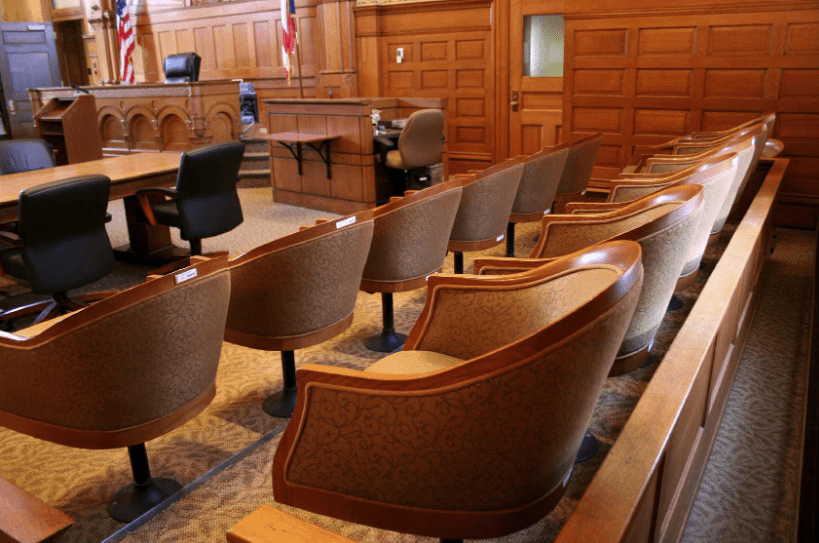
When most people think of jury duty, they probably picture a day spent in a stuffy courthouse, waiting to be called in for a case that may not even affect them. Jury duty is often seen as a civic duty that can be inconvenient, but it’s a responsibility that keeps the justice system functioning. However, every once in a while, an unlikely twist can turn a standard trial into something more memorable. This time, that twist came in the form of an NFL player: Brandon Aubrey, the placekicker for the Dallas Cowboys.
Aubrey, a relatively new face in the NFL, recently made headlines not for his athletic prowess but for fulfilling his civic duty in a very public way. The Dallas Cowboys kicker missed a practice session, with reports emerging that his absence was due to jury duty. While professional athletes missing practice isn’t exactly newsworthy, Aubrey’s situation was a bit different. He was on a jury panel, participating in a trial that could span multiple days.
For most people, missing a workday for jury duty is already a hassle. But for someone like Aubrey, who’s part of a high-profile team with an incredibly packed schedule, it meant juggling the responsibilities of professional sports with the duties of citizenship. The situation brought to light how the lives of public figures can be intersected by everyday obligations like jury duty — obligations that, no matter your career, you can’t simply skip out on.
Imagine being the defendant in a case and finding out one of the jurors is a professional athlete. It’s hard not to wonder how the dynamics of the courtroom might change with someone like Aubrey in the room. With his fame, his athletic career, and the recognition that follows, it’s possible that his presence could alter the tone of the trial. For Aubrey, though, it was just another day in the life of fulfilling his civic duty. His situation highlights how jury duty can impact people from all walks of life, even those with schedules that demand almost constant attention.
The timing of Aubrey’s jury duty also posed a unique challenge. As a professional athlete, Aubrey is no stranger to pressure, especially with the Cowboys’ postseason hopes on the line. Missing practice during a crucial time of the season isn’t ideal for any player, but Aubrey handled the situation with a good attitude, acknowledging the importance of fulfilling his legal obligations.
Ultimately, Aubrey was expected to miss more practices as the trial continued, though his team and coaching staff were supportive of his involvement. It was a reminder that no one, not even an NFL kicker, is exempt from the call of duty.
For those sitting on a jury, it can be an inconvenient interruption to daily life, but for someone like Aubrey, it also serves as a reminder that regardless of how famous or busy you are, everyone plays a role in ensuring justice is served. Jury duty isn’t just for the average citizen; it’s an equalizer in the justice system, one that unites people from all professions and walks of life in the pursuit of fairness.
So, the next time you find yourself summoned for jury duty, just remember — you might not be the only one sitting there. You could be alongside a famous athlete or another public figure, each of you doing your part to keep the wheels of justice turning. Who knows? Your panel might just include someone whose day job is to kick game-winning field goals.
 STENOIMPERIUM