
Optimism and Realism in Harmony
In thinking about optimism, we encounter a compelling crossroad: the intersection of optimism and realism in court reporting. It’s here, at this juncture, that we often find ourselves wrestling with the question: Can we be both optimistic and realistic about our future, or are these perspectives at odds with one another?
Some would suggest that optimism and realism are mutually exclusive — that to be optimistic, one must ignore the harsh truths of reality, or conversely, to be realistic means dampening our hopes for the future. Yet, this dichotomy misses the richness of combining the two.
There is an imminent threat of skills obsolescence in the court reporting industry today. The effort to find alternative solutions started in the wake of the predicted shortage of court reporters by the Ducker Worldwide study in 2013-14, and led to an onslought of digital recorders and ASR technologies that are hell bent on replacing skilled workers.
What nobody could have predicted, however, was a worldwide pandemic that put millions of workers out of a job. That led them to the next step: Upskilling. 70% of American workers believe that it is critical to be certified in a technology or trade skill, while one in three workers (30%) believe it is important to get a two-year or four-year degree. This is a very different mantra than the one we’ve heard for generations – go to college and get a bachelor’s degree to be successful. We are getting the word out that there are other lucrative paths to success. As a result, our court reporting schools are overflowing with students and our number of new RPR’s and CSR’s across the country is soaring.
What is realistic optimism?
What if we could harness the power of both? Realistic optimism is the ability to balance out negative and positive things in situations, circumstances and people. It is the courage to explore opportunities, where others are blocked by risk and failure, with the belief that the future will be better than the past.
Realistic optimism isn’t about wishful thinking or blind hope. It’s about grounding our optimism in the realities of our current situation while still aiming for positive outcomes. It’s acknowledging the challenges we face and choosing to believe in our capacity to overcome them.
This balanced perspective empowers us to prepare for various outcomes, not just the ones we wish for. It encourages us to take proactive steps, grounded in reality, toward our optimistic visions of a strong future. We can embrace that positive change is possible and we can be a part of that by sharing stories of our successes, for example, the increasing number of students enrolled in a court reporting programs across the country.
Learned Optimism
Is it possible to learn optimism? Optimistic realism is not a predisposition that we are born with, but rather a competence that not only can be — but should be — developed. Research has shown that the practical use of this skill results in a change of our perception of reality and the quality of our thoughts, both of which eventually affect our physical health. It turns out that:
• Optimists are less likely to develop infectious diseases than pessimists
• Optimists maintain a healthier lifestyle than pessimists
• There is evidence that optimists live longer than pessimists
Studies have shown that positive emotions lead to higher motivation and perseverance, satisfactory quality of interpersonal relations and more frequent functioning at the optimal level, which in turn translates into better personal and professional results. On the other hand, pessimism can generate anxiety, which leads to lower engagement, distracted attention and poorer results.
As leaders, thinkers, and dreamers, our challenge is to cultivate this nuanced approach. How do we maintain our optimism without losing sight of the ground beneath our feet? How can we leverage realism to bolster, not hinder, our optimistic endeavors?
I invite you to reflect on these questions as we navigate the complexities of leadership and personal growth in our court reporting profession. How have you balanced optimism and realism in your own experiences? Share your insights and let’s learn from each other’s journeys.
Engaging with these concepts is more than an intellectual exercise; it’s a practical guide to living and leading effectively. I encourage you to join the conversation and contribute your perspective at your local court reporting association meetings and on the various court reporter Facebook groups.
Together, let’s redefine what it means to be both optimistic and realistic, embracing the strength found in the harmony of these viewpoints.
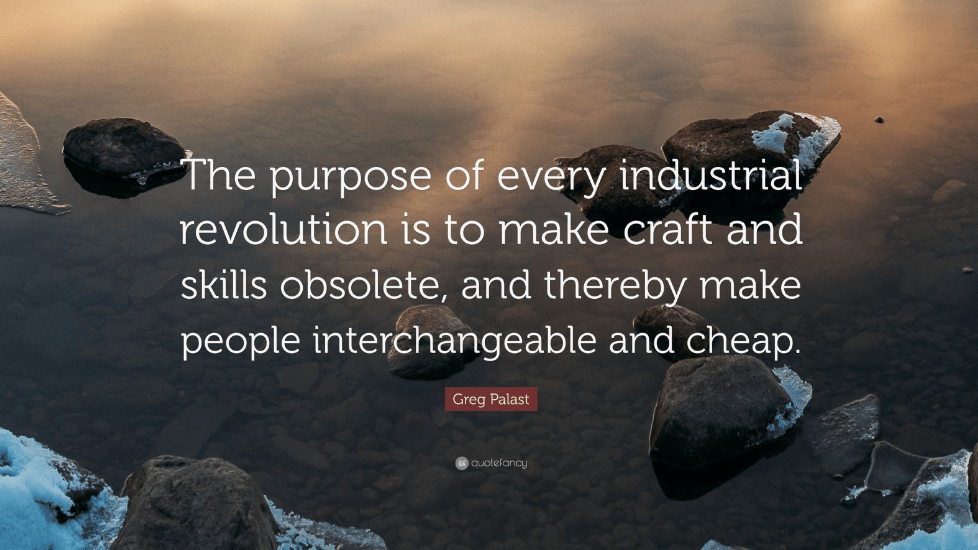
Skills obsolescence is always a threat in every industry, but usually it’s where continual advances in technology are revolutionizing the industry. In the court reporting industry, where “digital recorders” are being called “revolutionary,” it’s actually the opposite. There is no advanced technology being used by “digital recorders” and the ASR software is not as advanced as the technology that real stenographers use. In fact, digital recording and transcribing methods would take them back about 100 years in time. It is nothing more than a bold and fraudulent marketing attempt by corporate profiteers. For this reason, I am optimistic that the skilled tradespeople, the gold standard stenographers will prevail in this attempt at market disruption and skills obsolescence.
We do not know what the future holds.
There is no illusion of predictability in our steno world. We do not know what our world will look like in the coming months or years. We just do not know it. But one needs to have a plan and act despite these objective limitations. When we face the dilemma of what will become the basis for our decisions and actions — a pessimistic or optimistic vision of the future — it is worth remembering that we do not have to function in this dichotomy. There is still realistic optimism, which takes into account all the circumstances of the crisis and gives us hope for the future.
Here’s to a week filled with thoughtful reflections and balanced perspectives. Stay positive. We’re winning!
 STENOIMPERIUM